Join the Expedition
How you can take part in exploration.
Exploration isn‘t just discovering the world.
It’s discovering who you become when you cross it.
We’re launching a new kind of expedition—a system for
building modern explorers,
sending them into the field, and measuring how they change through real-world exposure.
We deliberately place men in unfamiliar and demanding environments to reveal their limits
and push beyond them
to better understand human potential.
Develop men into highly capable explorers through physical training, skills development, and leadership.
Journey through remote and demanding environments to test our limits, build resilience, and operate in the wild.
Understand how exploration transforms our physical, mental, and emotional well-being through data and testing over time.
Share our discoveries with the world through photo, video, and storytelling that inspires others to explore.
Forge a community of explorers who continue on expeditions, sharpen each other, and deploy their skills in the service of others.
The real discovery behind any expedition is how it transforms the explorer.
We’re on a mission to understand that transformation through field research,
because we believe exploration is one of the most powerful forces
for human development—and we aim to prove it.
Exploration expands your capacity to operate under pressure and alters temperment through measured exposure to uncertainty and risk.
Adventure across unknown terrain improves physical strength and endurance, building competency for operating in harsh conditions.
Planning logistcs, charting your course, and working in a team extends beyond the field and into to the expedition of your life.
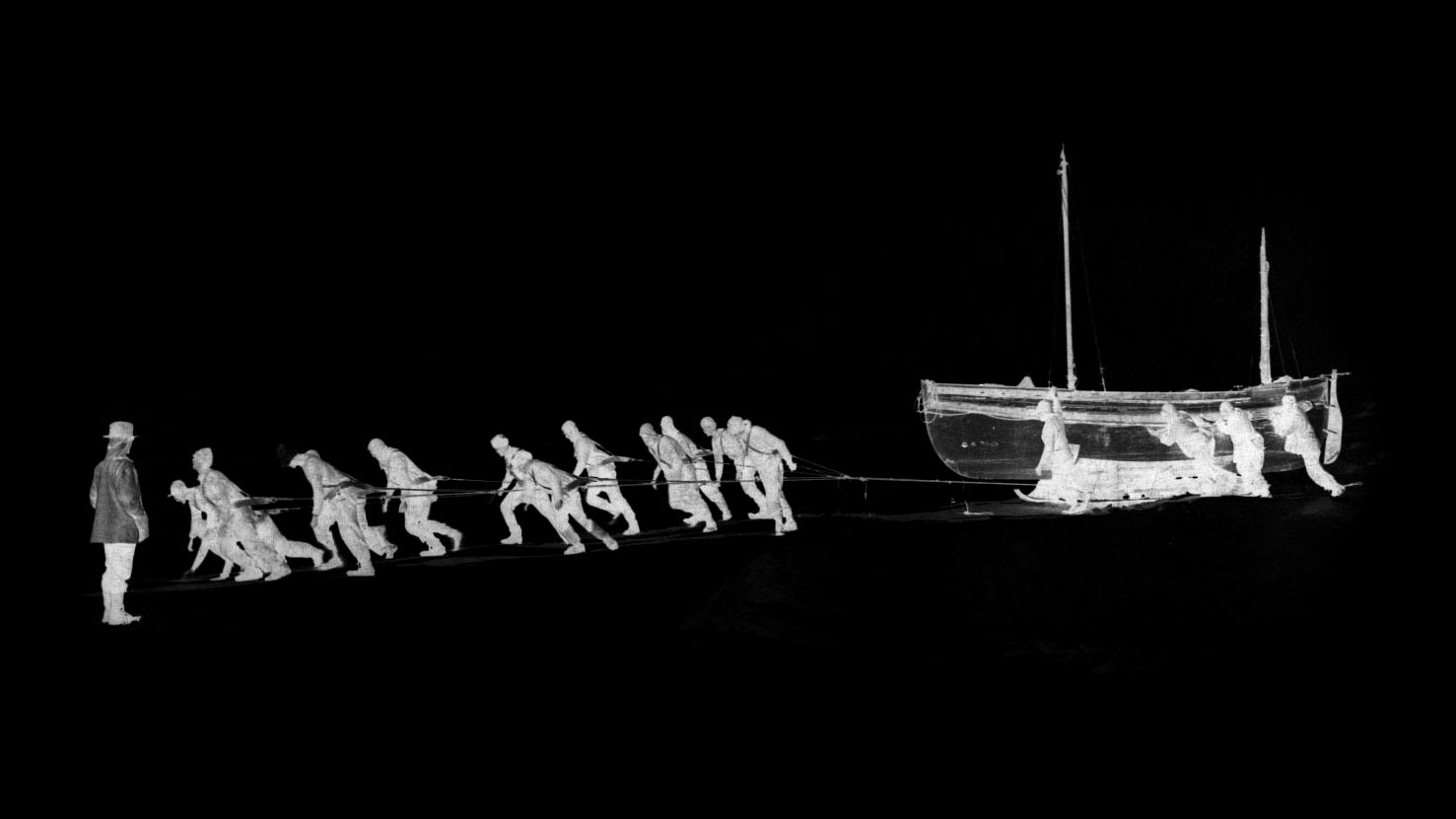
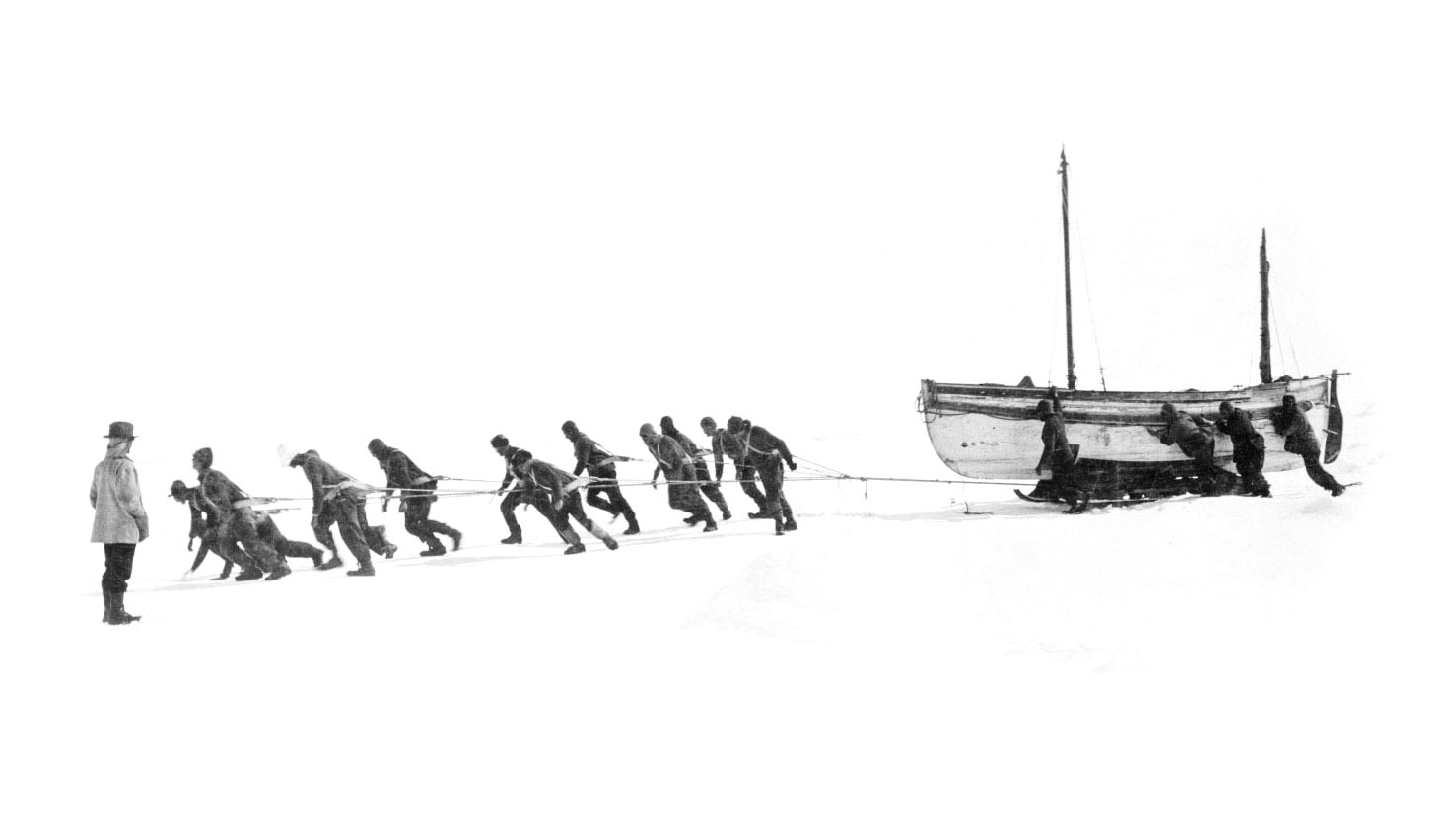
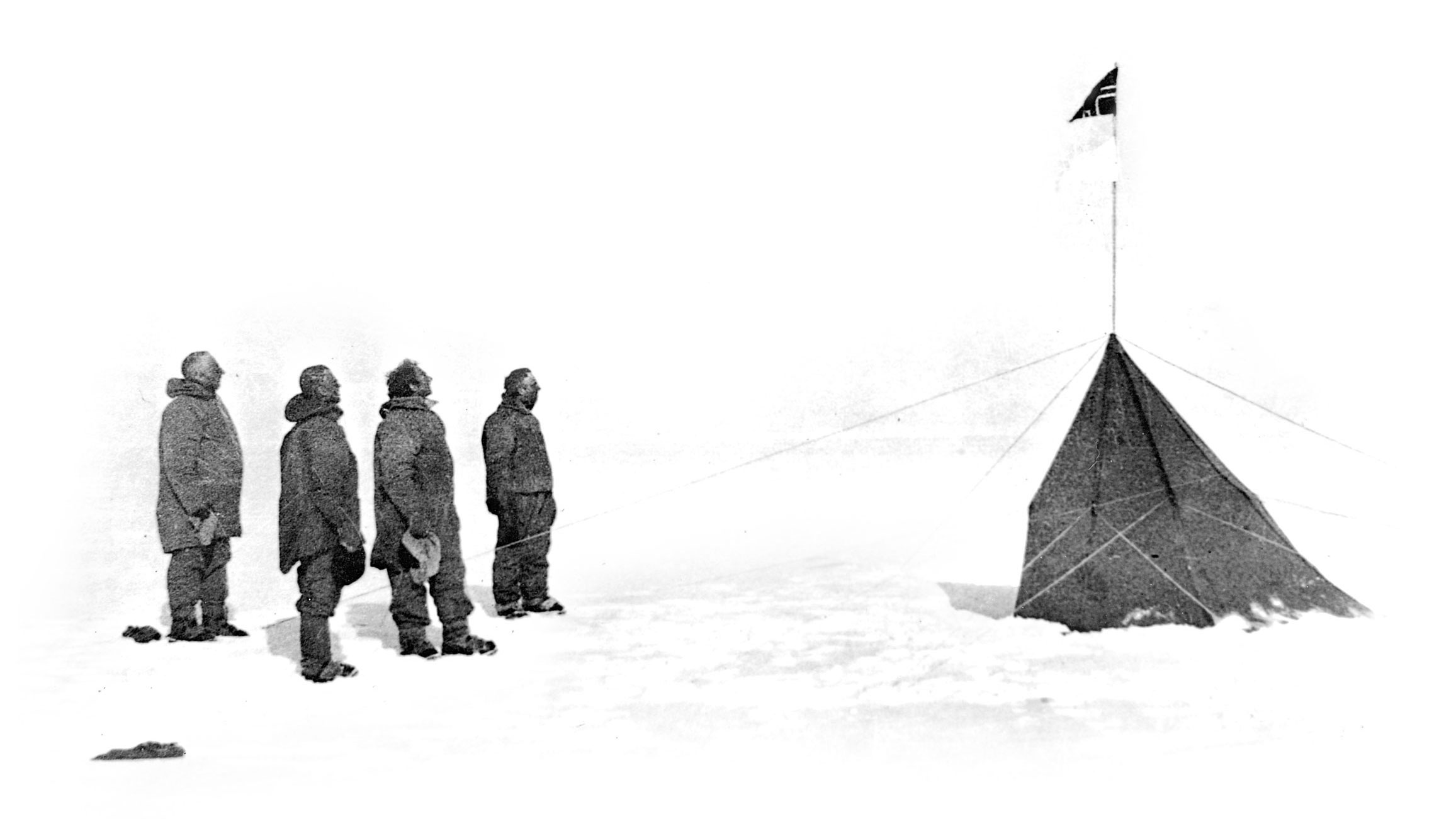
Our work seeks to carry on the legacy of great explorers before us
like Shackleton, Amundsen, Scott, and Fiennes—men who set out to discover
our place in the world. Expeditionary is following in their footsteps
to test the limits of the human spirit.
“We had seen God in His splendors, heard the text that Nature renders.
We had reached the naked soul of man.”
—Sir Ernest Shackleton
We are looking for those who refuse an ordinary life.
Men with strong ambition, a pull toward adventure,
and the drive to do something great—toward
growth, service, and higher purpose.
The founding team begins 2026.
More coming soon.
We use a simple acronym
to describe our mission.
Our training is designed to rebuild men from the ground up—increasing competence for operating in the unknown. We use physical fitness, skills courses, and academic study to grow the whole person into their best self—an explorer.
As a final gate, we send our trained explorers on a global expedition to assess their endurance, study their development, and reveal their character. This is the embodiment of the hero’s journey—venturing from comfort to return transformed.
We share our work with the world through digital media to tell stories, promote the impact of exploration, and awaken the explorer in everyone.
We use data, observation, and field experience to understand how exposure to challenging, high-stakes environments impacts mental and physical limits.
Graduates of our pipeline join a network of highly trained explorers tasked with serving their communities with their skills—in aid, missions, and mentorship.
How you can take part in exploration.
Learn more about Expeditonary or partner with us.